


Featured





Current
Projects
Tech talks
How I work
I start with the README, not the code
Before I open the editor I write what the product is supposed to do, wireframe it, diagram it, and run unit economics. If the math doesn't close for the segment I'm trying to solve, not a line gets written. Emails and feedback requests come after that — code is the consequence of a decision already made, not the place where you make it.
Serverless by default, us-east-1, DynamoDB first
My default stack is serverless on AWS in us-east-1. I start with DynamoDB and migrate to PostgreSQL when the access patterns justify it. Serverless wins when the service is core and has real demand; low traffic, ultra-low latency, or sustained throughput can argue otherwise — but that's the exception, not the rule.
I cut UI polish, I never duct-tape architecture
Under deadline, the first things to go are UI micro-interactions and non-critical features. What I never negotiate is a one-line patch that quietly rewrites the flow or the architecture. Every improvised patch lives longer than it should, and the debt it creates is the most expensive kind.
Build the core, buy everything else
If it's core to the product, I build it. If it isn't, I buy it — after comparing the price against the real cost of building it, maintenance included (not just the first sprint). The rule is easy; the discipline is holding it when building-for-fun starts looking tempting.
Unit and integration always, except in throwaway MVPs
Unit and integration tests are the floor, not the ceiling. They're what keeps you from discovering bugs in production. The only exception is an experimental MVP where the thing being validated is the hypothesis, not the code — and if I'm doing TDD there, the tests stay.
Async and collaborative — but it always ends in an RFC or diagram
I work in PRs, async but collaborative. For things that don't fit a Slack or email thread, a short call on Discord or Meet, and then the outcome lands in an RFC or diagram. A conversation without an artifact is lost in two weeks; the RFC outlives the team.
LLM → go train → come back with sharper questions
When I get stuck, I first use an LLM to order the problem. If I'm still stuck, I stop and go train. I come back with the problem solved or with better questions than I started with. The body in motion resolves what a stationary head can't.
Observability beats picking the language of the month
The Rust vs Go vs TypeScript debate is overrated. Most production bugs get fixed with structured logs, distributed traces, and well-chosen metrics — not by picking whatever language the latest paper recommends. Teams that invest in observability early age well.
Library
The Pragmatic Engineer
Gergely Orosz
Reading list
How to Win Friends and Influence People
Dale Carnegie
Reading list
Steve Jobs
Walter Isaacson
Reading list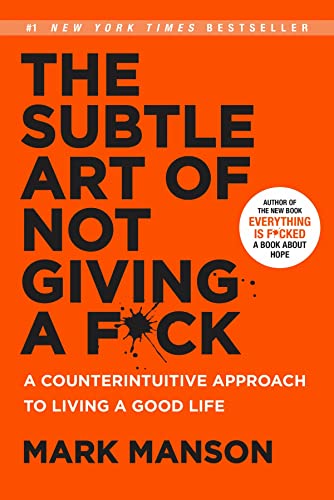
The Subtle Art of Not Giving a F*ck
Mark Manson
Reading list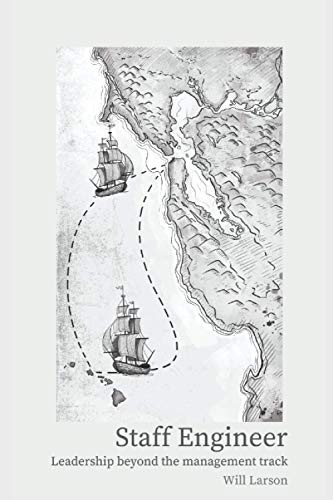
Staff Engineer
Will Larson
Reading list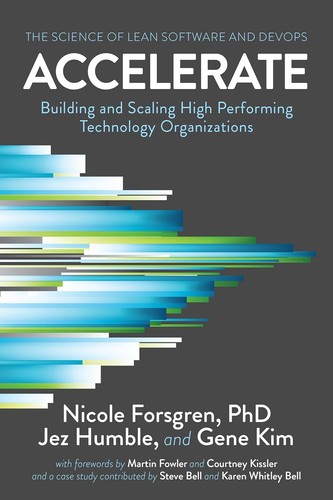
Accelerate
Nicole Forsgren, Jez Humble, Gene Kim
Reading list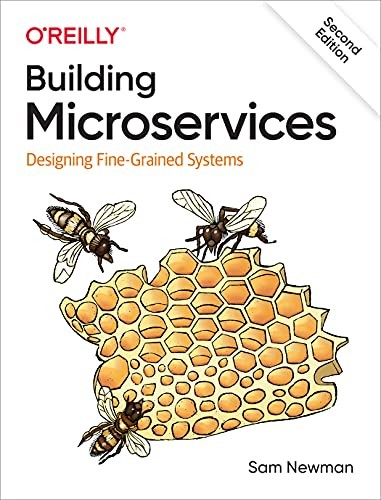
Building Microservices
Sam Newman
Reading list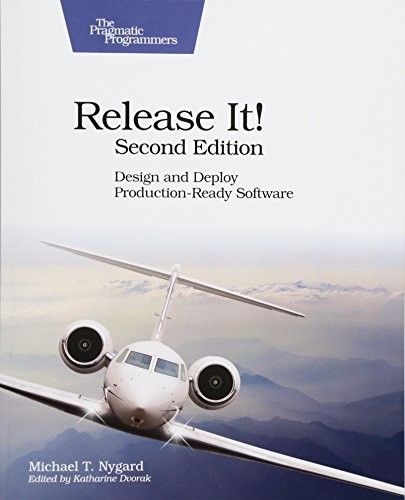
Release It!
Michael Nygard
Reading list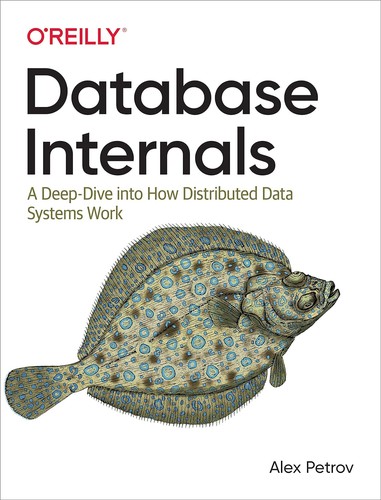
Database Internals
Alex Petrov
Reading list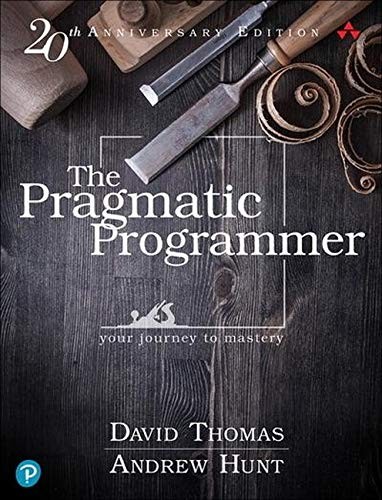
The Pragmatic Programmer
David Thomas, Andrew Hunt
Reading list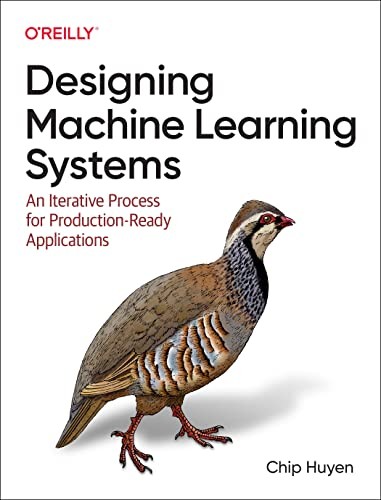
Designing Machine Learning Systems
Chip Huyen
Reading list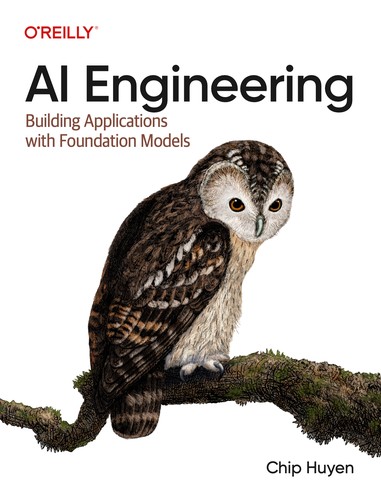
AI Engineering
Chip Huyen
Reading list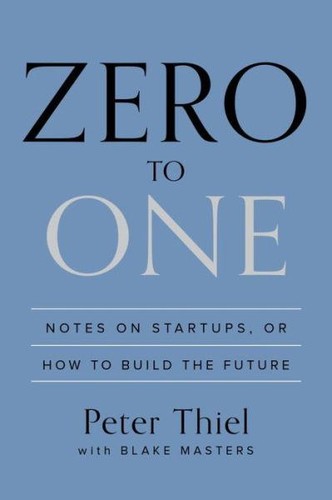
Zero to One
Peter Thiel
Reading list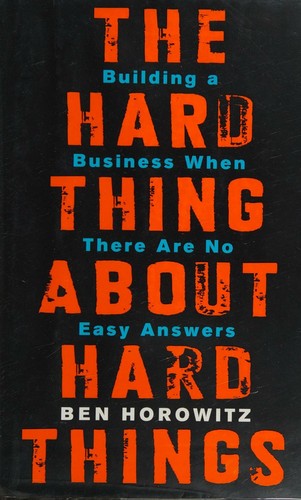
The Hard Thing About Hard Things
Ben Horowitz
Reading list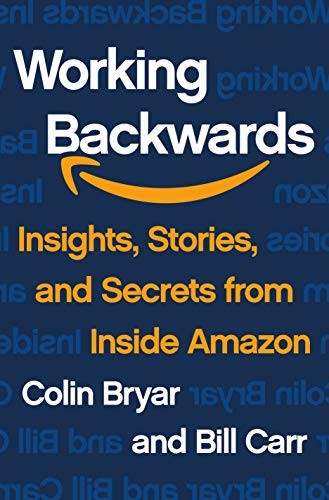
Working Backwards
Colin Bryar, Bill Carr
Reading list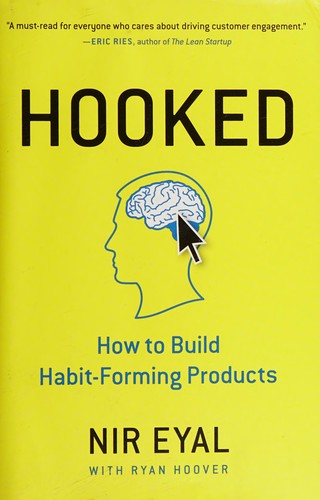
Hooked
Nir Eyal
Reading list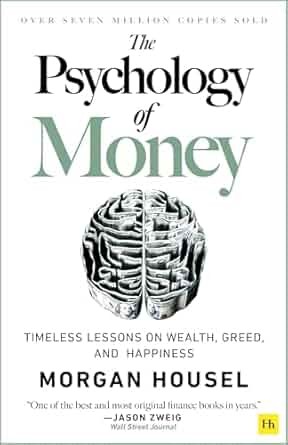
The Psychology of Money
Morgan Housel
Reading list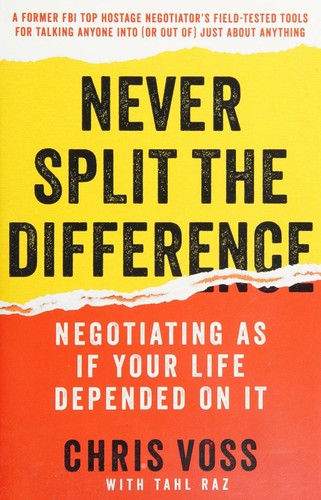
Never Split the Difference
Chris Voss
Reading list
Tech Stack
Serverless & Cloud
 AWS Lambda
- SQS
- EventBridge
- API Gateway
- S3
- CloudFront
- CloudFormation
- AWS IAM
- AWS Secrets Manager
 Vercel
 Cloudflare
Platform & DevOps
 Kubernetes
 Docker
 Lens
Lens HashiCorp Vault
 GitLab CI
 BPMN (Camunda)
Data
 PostgreSQL
- Aurora Serverless
- DynamoDB
 Redis
Redis Kafka
Kafka Snowflake
Languages & Frameworks
 TypeScript
 Node.js
 React
React Next.js
 Tailwind CSS
 shadcn/ui
- WebSocket
 Socket.io
AI
 OpenAI
 Claude
 Mistral
 Llama
Llama Qwen
Qwen- Whisper
- AWS Bedrock
Observability
 Datadog
 Sentry
- CloudWatch
 PostHog
Payments & Auth
 Stripe
 MercadoPago
 Commet.co
 Clerk
Clerk Auth0
Auth0
Certifications
 PCI-DSS Compliance
NaranjaX / Nave NegociosOngoing
Card data security · Payment compliance
- Architecting on AWS
Amazon Web Services (AWS)Aug 2023
- Amazon API Gateway for Serverless Applications
Amazon Web Services (AWS)Apr 2022
- AWS Lambda Foundations
Amazon Web Services (AWS)Apr 2022

HackerRank2022be3b24005a01

